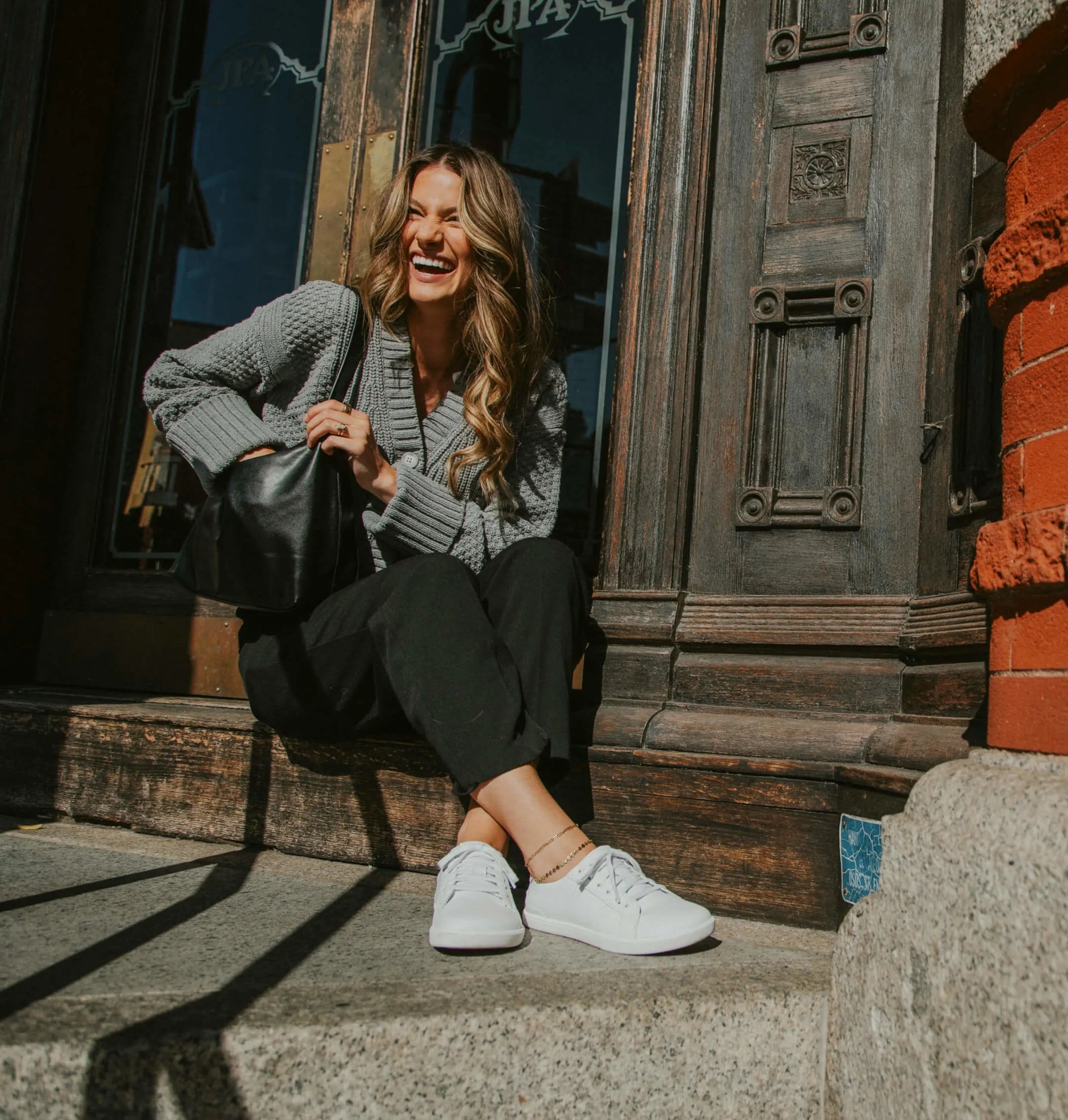
Barefoot Shoes: A Comprehensive Guide
The Basics of Barefoot Shoes
Barefoot shoes, commonly referred to as minimalist footwear, focus on providing a natural experience during walking or running, mimicking the feeling of being barefoot.
These shoes feature a thin sole, minimal cushioning, and a flexible design, promoting a more authentic connection to the ground.
At the heart of barefoot running shoes is their design that allows for proper muscle engagement in the foot, leading to a more efficient running technique.
As consumers become more informed about the potential advantages of barefoot shoes—like better foot strength and improved posture—there's a growing fascination with minimalist footwear that appeals to athletes and casual users alike.
There is a rising trend in barefoot shoes, indicating a change from standard footwear that often boasts excessive padding and structural reinforcements.
Studies show that traditional shoe designs might lead to foot weakness and negatively impact biomechanics in the long run.
In contrast, barefoot shoes encourage a natural gait and facilitate better balance while strengthening the foot's intrinsic muscles.
The movement has been embraced by brands like Vibram, Merrell, and Xero Shoes, which offer different styles for numerous activities, including running and everyday use.
Furthermore, these shoes are made with lightweight and breathable materials that offer comfort while maintaining high performance.
For those looking to switch to barefoot footwear, it's crucial to adapt gradually.
Start by incorporating short periods of wearing barefoot running shoes into your daily routine, allowing your feet to adjust to the lack of cushioning.
You should consider starting with simple exercises to build foot and ankle strength, such as toe curls and calf raises.
As you progress, feel free to increase the time and intensity of your use, encouraging a more natural way of walking.
By understanding the fundamental principles of barefoot footwear and approaching the transition mindfully, you can reap the rewards of a more connected and health-conscious approach to movement.
Positive Aspects of Natural Shoes
Barefoot shoes are built to imitate the natural feel of being barefoot yet also giving essential protection. One of the main perks of wearing barefoot shoes is the boost in strengthening feet. Conventional shoes often obstructs natural foot movement, causing weakened muscles over time. On the other hand, barefoot shoes encourage the use of foot's natural muscles, allowing them to strengthen and improve performance. As an illustration, a runner who transitions to barefoot shoes may observe enhanced stability and agility owing to the greater activation of these muscles, allowing for superior grip and balance across multiple activities.
Moreover, barefoot shoes enhance posture, which is important for overall body alignment and physical health.
Wearing traditional shoes with an elevated heel can interfere with standing posture, resulting in spine misalignment.
Barefoot shoes, with their flat sole design, encourage a more natural walking and running pattern.
For instance, athletes who use barefoot shoes in their workouts often demonstrate this effect.
Such athletes frequently notice a decrease in lower back discomfort and enhanced body alignment.
This further enhances athletic performance.
In addition, barefoot-style shoes help with avoiding injuries. Many common running injuries, for example heel pain as well as shin pain, stem from inadequate shoe selections. Minimalist shoes foster a neutral foot strike in place of a rear foot strike, decreasing impact stress on joints. Easing into using barefoot shoes permits the body to acclimate, thus reducing the threat of injury. A realistic method is to start with brief runs or strolls in these shoes and slowly boost intensity and length based on how comfortable you feel. This strategy assists in preparing the body in tandem with maximizing the benefits related to avoiding injuries.
To sum it up, the sensory input provided by barefoot shoes is an important benefit. Their slender soles help users to detect the ground underneath, which boosts proprioception—our awareness of body position and movement. This feeling helps cultivate a deeper sense of balance and foot positioning, which is especially useful for athletes and those passionate about fitness. For individuals who are inexperienced with barefoot footwear, starting with activities such as yoga or basic walking can amplify this sensory experience, ultimately encouraging improved coordination and performance across more dynamic sports. Incorporating barefoot shoes into your daily routine can result in a variety of health benefits that go beyond mere foot health.
Categories of Barefoot Sneakers
Barefoot footwear has become increasingly favored by those looking for a more authentic running or walking sensation.
The different kinds of barefoot shoes on the market address a range of activities and requirements, helping consumers discover the ideal match for their lifestyles.
Among these categories, barefoot running shoes are constructed to simulate the feeling of running barefoot while also safeguarding the feet.
These shoes often feature a low heel-to-toe drop, which promotes a more natural stride and encourages forefoot or midfoot striking.
Examples of minimalist running shoes include the Vibram FiveFingers and Merrell Vapor Glove, both designed to offer lightweight construction and flexibility, improving proprioception.
Addressing outdoor lovers, barefoot hiking shoes incorporate specific features that meet the demands of various terrains while staying true to the core principles of barefoot footwear.
Crafted with durable outsoles, these shoes offer remarkable traction and flexibility that are crucial for trails and uneven terrains.
Additionally, materials are often water-resistant or breathable to adapt to changing weather conditions.
Examples like the Xero Shoes TerraFlex and Vivobarefoot Primus Trail stand out as top choices due to their supportive structure for extended hikes while enabling natural foot movement.
When choosing barefoot hiking shoes, consider fit, climate, and the nature of your hiking trails to ensure the best overall experience.
Casual barefoot footwear utilize a sleek aesthetic for everyday wear, combining style with convenience. These shoes usually feature an elegant design and are not heavy, thus making them suitable for different situations. Brands like Wildling Shoes and VivoBarefoot present alternatives that not only promote healthy foot habits and cater to the fashion-conscious consumer. A notable aspect of these types of footwear is their wide toe box, enabling toes to spread naturally. When selecting barefoot casual footwear, seek out versatility, materials that breathe, as well as a bendable sole designed to fit everyday activities while not losing convenience and aesthetic.
Lastly, barefoot work shoes are designed to merge the principles of minimalism with necessary safety features for workplace environments. These types of shoes prioritize comfort, making them suitable for long durations of wear, while also guaranteeing slip resistance and longevity. Shoes like the Lems Mesa and Argis Lite are excellent examples, delivering essential features like zero drop and a light construction. As you select barefoot work shoes, consider the unique demands of your occupation, including exposure to risks, and ensure that the footwear adheres to the necessary safety regulations. Evaluating these factors allows you to enjoy the benefits of barefoot shoes while ensuring comfort and protection in your professional environment.
Strategies for Selecting the Right Barefoot Footwear
To choose barefoot shoes, it's essential to evaluate your foot type, activity level, and personal preferences.
First, assess your foot type; determining if you have a high arch, flat feet, or a neutral arch is crucial.
For instance, those with high arches may require extra cushioning and support, while individuals with flat feet might benefit from a more stable design that offers mild arch support.
It is a good idea to visit a local shop that specializes in minimalist footwear since the staff can help analyze your gait and foot structure.
This examination is crucial for ensuring that the shoes you choose correspond to your anatomical requirements, thus enhancing comfort and functionality.
Next, think about your activity level. If you are an athlete or partake in outdoor activities such as hiking or trail running, search for barefoot shoes tailored for these activities. For instance, companies like VivoBarefoot and Merrell provide models that feature enhanced traction and durability for rugged terrains. In contrast, if your activities lean more towards casual, such as walking and light jogging, a simpler shoe with a flexible sole may be just what you need. In the shoe selection process, carefully consider the thickness, flexibility, and weight of the sole, as these factors strongly influence both performance and the user experience. Your choice must match your planned usage of the shoes in your daily life.
When it comes to barefoot shoe selection, individual preference is crucial. Choosing a shoe that you love to wear is essential, as style, color, and materials can have a big impact on your satisfaction. If you have a preference for natural materials, search for shoes that are made from leather or organic cotton. Alternatively, if sustainability is important to you, many brands focus on eco-friendly practices. It's crucial to test shoes for comfort; make sure to stroll around the store and mimic the activities you will engage in while wearing them. Keep an eye out for any discomfort or pressure points, as recognizing these can assist in finding the best fit and style suited for your feet.
In the end, fusing the combination of factors like foot type, activity level, and personal tastes— will lead to a well-informed choice in choosing barefoot shoes. Consider documenting your findings from visits to stores or online research to stay organized with the options that align with your criteria. Furthermore, joining online forums or communities focused on minimalist footwear can give you perspectives and reviews from other enthusiasts. Such forums commonly share stories about their individual experiences, contributing to refining your choices further. Noticing these factors enhances your journey in your quest for the perfect minimalist shoes that integrate seamlessly into your lifestyle.
The Best Five Barefoot Shoes for 2025
For 2025, a fantastic range of barefoot shoes has emerged, aimed at satisfying the rising need for minimalist footwear that combines comfort and useful features.
The Vivobarefoot Primus Lite III is one of the standout barefoot shoes in 2025, recognized for its lightweight build and outstanding flexibility.
Intended for both casual and athletic use, this footwear features a mesh upper for breathability and a unique sole that permits natural foot mobility.
Feedback indicates that it mimics the sensation of walking barefoot but still offers sufficient protection and traction, making it perfect for both runners and casual users.
Additionally, the shoe's sustainable design attracts buyers, featuring recycled materials that align with the values of environmentally aware customers.
A leading option in the minimalist shoes 2025 category is the Merrell Vapor Glove 4.This footwear provides a snug fit that enhances stability, making it suitable for trail running and other outdoor adventures.The shoe features an outsole that is crafted for superior traction, ensuring that you stay grounded on different surfaces. What sets the Vapor Glove 4 apart is its zero-drop platform, promoting a natural stride, which is particularly beneficial for those transitioning to barefoot running.With its light weight and minimalistic style are perfect for those who appreciate agility and responsiveness in their footwear,boosting performance while maintaining comfort. For consumers looking to engage in outdoor activities, the Merrell Vapor Glove 4 is a top choice.
When it comes to versatile footwear, the Xero Shoes Prio is a great choice. This shoe features a great mix of comfort and protection, permitting natural movement of your feet. Featuring a flexible sole and an adjustable fit, the Prio is well-suited for numerous activities, from hiking to gym sessions. Its impressive durability allows it to withstand tough conditions while ensuring a barefoot-like experience, which is notable. Reviewers have noted that the shoe positively impacts foot health by fostering correct biomechanics and minimizing the chance of injury. For those in search of a versatile shoe that aligns with minimalist principles, the Xero Shoes Prio is a worthy option.
In conclusion, the Altra Escalante Racer completes our selection of the best barefoot shoes for 2025. Even though it has a somewhat cushioned profile, it upholds the critical aspects of a minimalist shoe. With its generous toe box and light design, the Escalante Racer achieves a harmonious balance of comfort and fluid foot motion. It is a favorite among runners seeking a moderate level of cushioning while still embracing the barefoot experience. The blend of responsiveness and lightweight agility it offers makes it an attractive choice for individuals aiming to improve their running experience while retaining the advantages of barefoot technology. Opting for any of these leading barefoot shoes ensures a superb fusion of performance and foot health for 2025.
Frequently Asked Questions
Barefoot shoes are specific types of footwear that aim to replicate the sensation of walking or running without shoes.|They are characterized by low cushioning, a spacious toe box, and a flexible sole that here enables your foot to move in a natural manner.} They promote a natural gait, improving strength and alignment in the feet while allowing for ground feedback.
Sporting barefoot shoes can boost foot strength and flexibility, help improve balance, and encourage a natural walking cycle. Individuals frequently mention enhanced comfort and diminished foot pain, especially for those transitioning from traditional shoes. Additionally, barefoot shoes can help strengthen the muscles in your feet and lower legs over time.
People with specific foot conditions or injuries, such as plantar fasciitis or severe overpronation, may find barefoot shoes less than ideal.
Before transitioning to barefoot shoes, it's advisable to consult a healthcare professional if you currently have foot problems.
While individuals with healthy feet can usually benefit from barefoot shoes, a gradual adjustment period is vital.
The shift to barefoot shoes ought to occur gradually to prevent injuries.
Begin by using them briefly, for around 30 minutes to an hour daily.
Extend the wearing time as your feet adjust.
Additionally, it’s recommended to blend in foot strengthening workouts and refrain from high-impact movements during this starting phase.
Absolutely, barefoot shoes remain sought after with runners wanting a less restrictive way to run. They encourage good running technique and may lower the potential of specific injuries. That said, those who run must slowly ramp up their amount of running in minimalist shoes, as the reduced cushioning might prove to be tough for those new to such footwear or those accustomed to conventional shoes.
Cleaning barefoot shoes often entails removing dirt and debris by means of a soft brush or cloth.
A lot of models are suitable for machine washing; however, it’s essential to verify the care instructions provided by the manufacturer.
You should let them air dry because heat might damage the shoe’s materials.
Regular cleaning can keep them looking fresh and extend their lifespan.
When buying barefoot shoes, it's important to think about factors like fit, flexibility, and breathability. Seek out a wide toe box that enables your toes to splay naturally, along with a lightweight construction. In addition, ensure the sole is sufficiently thin to provide ground feel while maintaining comfort. Lastly, think about your intended purpose, whether for casual wear or dedicated sports.
Final Thoughts
In conclusion, barefoot shoes represent an innovative way to approach footwear, stressing the importance of natural movement, better foot health, and increased sensory feedback.
In this guide, we delved into the many perks of barefoot shoes, like fostering proper posture, enhancing foot muscle strength, and mitigating the risk of injuries typically associated with regular shoes.
Moreover, we discussed the primary factors to look out for when picking the perfect pair, encompassing flexibility, minimal cushioning, and ample toe space.
If you're considering adopting barefoot shoes, it's vital to proceed gradually, enabling your feet to adapt to this new footwear. Whether you're an athlete focused on performance gains or an average consumer who values comfort and health, the practices discussed can improve your walking experience, making it feel more natural and enjoyable.
Capitalize on this chance to reconnect with the surface beneath your feet and acknowledge the diverse benefits that barefoot shoes have to offer.
{Begin your journey toward a healthier lifestyle today—your feet will be grateful for it!|Start moving towards a healthier lifestyle now—your feet will appreciate the decision!|Take the first stride toward a healthier way of life today—your feet will express gratitude for it!|Commence your path to a better lifestyle today—your feet will certainly thank you for it!|Launch your journey to improved well-being today—your feet will be thankful for this choice!